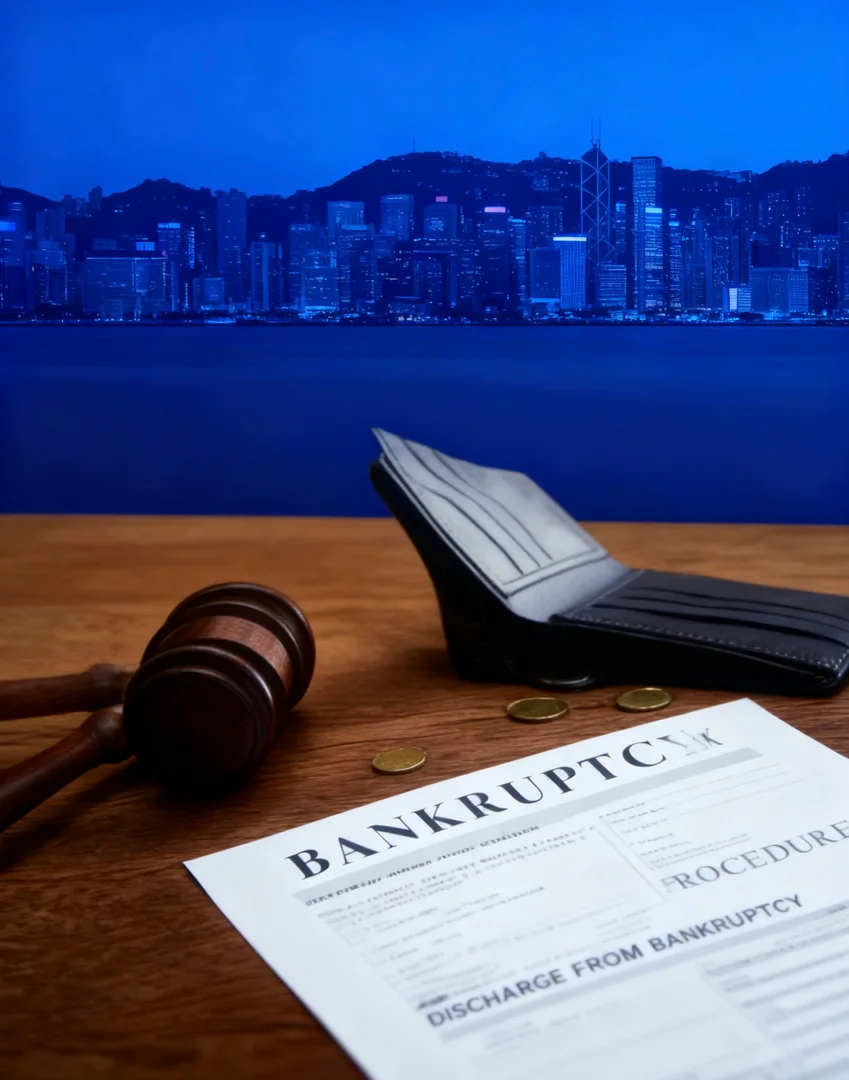
Bankruptcy is a formal way of dealing with debts you cannot pay. It has serious consequences, but it is also designed to give people a fresh start, and, for most people, that fresh start comes after just one year. This guide explains how bankruptcy works in England and Wales under the Insolvency Act 1986, and what discharge after a year really means.
How you become bankrupt
There are two main routes:
- Your own application. If you cannot pay your debts, you can apply online to an official called the adjudicator, who decides whether to make a bankruptcy order.
- A creditor's petition. Someone you owe money to (generally £5,000 or more) can ask the court to make you bankrupt.
Once a bankruptcy order is made, an official receiver (and sometimes a trustee in bankruptcy) takes control of the process.
What happens to your assets and income
When you are made bankrupt, most of your assets (your "estate") automatically pass to the trustee, who can sell them to pay your creditors. Your home may be at risk if it has equity. Essential items (basic household goods and tools of your trade) are usually protected.
If you have spare income, the trustee can ask you to sign an Income Payments Agreement (or get an Income Payments Order), under which you pay a portion of your income for up to three years, note that this can run beyond your discharge.
You also have duties: to co-operate with the official receiver and trustee, give full information about your affairs, and disclose any new assets. Failing to do so without reasonable excuse is a contempt of court and can delay your discharge.
Discharge: the one-year fresh start
For most people, bankruptcy ends with automatic discharge after one year (Insolvency Act 1986, s 279). Discharge releases you from the bankruptcy debts, you are no longer legally required to pay most of the debts you had when you were made bankrupt, and you can start rebuilding.
Two important qualifications:
- Discharge can be suspended. If you do not co-operate, the court can order that the one-year clock stops running until you do, so the duties really matter.
- Some things continue past discharge. An Income Payments Agreement can still run for its full term, and not every debt is wiped (for example, court fines, most student loans, and debts from fraud generally survive).
When restrictions last longer
If you behaved irresponsibly or dishonestly, the court can impose a Bankruptcy Restrictions Order, or you may give a Bankruptcy Restrictions Undertaking, extending certain restrictions (such as limits on borrowing and acting as a company director) for 2 to 15 years, well beyond discharge.
Alternatives to bankruptcy
Bankruptcy is not the only option. Depending on your circumstances you might consider:
- an Individual Voluntary Arrangement (IVA), a binding deal to pay creditors an agreed amount over time, supervised by an insolvency practitioner; or
- a Debt Relief Order (DRO), for people with low debts, low income and few assets.
These can be less drastic, so it is worth taking debt advice before applying for bankruptcy.
Key takeaways
- Bankruptcy can start by your own application to the adjudicator or a creditor's petition.
- Your assets generally vest in a trustee, and spare income can be taken for up to three years.
- Most people are automatically discharged after one year (Insolvency Act 1986, s 279), but discharge can be suspended if you do not co-operate.
- Some debts and restrictions outlast discharge; serious misconduct can bring a 2–15 year restrictions order.
- Consider IVAs and DROs as alternatives, and take debt advice first.
Sources
- Insolvency Act 1986 (including s 279, automatic discharge after one year; bankruptcy restrictions orders/undertakings)
- Individual Voluntary Arrangements and Debt Relief Orders as alternatives
--- This article is general information about the law of England & Wales as at 2026, not legal advice. For advice on your circumstances, consult a qualified solicitor or a debt adviser.