Ending employment "by notice" is the normal, lawful way to bring a contract to a close. But employers often have practical questions: how much notice, does it have to be in writing, and must the notice state the reason? Here are the answers for England and Wales.
How much notice?
Notice can come from two sources, and you must give the longer of them:
- Statutory minimum notice (Employment Rights Act 1996, section 86): once an employee has one month's service, the employer must give at least one week, rising to one week per complete year of service up to a maximum of 12 weeks. An employee must generally give at least one week's notice after a month's service.
- Contractual notice: if the contract specifies a longer period, that applies.
So check both the statute and the contract, and use whichever is greater.
Does notice have to be in writing?
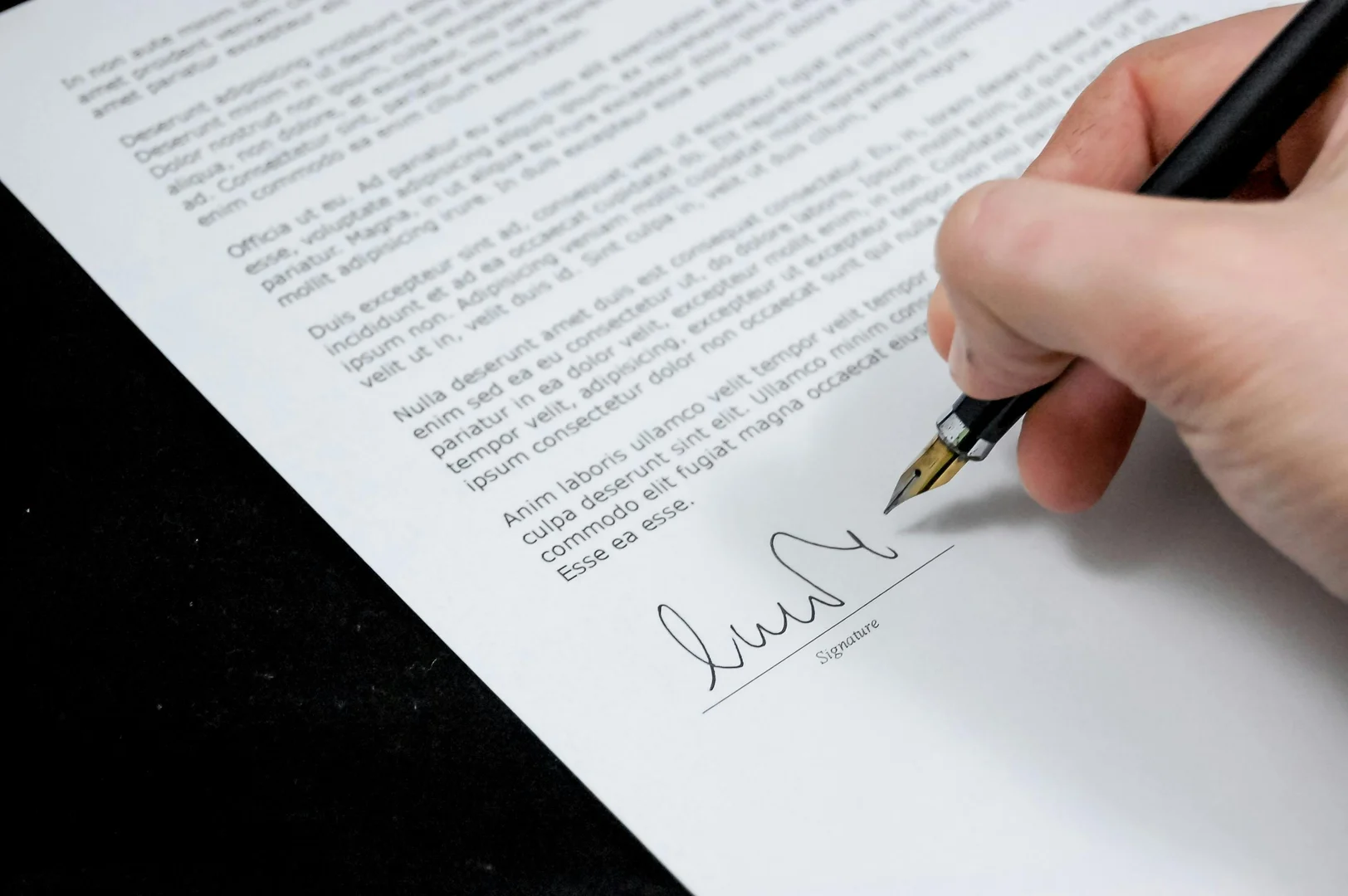
Legally, notice of termination does not have to be in writing to be effective, oral notice can be valid. But putting it in writing is strongly advisable, because it:
- creates clear evidence of when notice was given and the termination date;
- avoids disputes about whether (and when) notice was actually given; and
- looks professional and supports a fair process.
Check the contract too, some contracts require notice to be given in writing (and in a particular way), in which case you must follow that.
Do you have to give the reason in the notice?
A notice of termination does not generally need to state the reason for dismissal. However, two related points matter:
- Written reasons on request. An employee with two years' service can request a written statement of the reasons for their dismissal, and you must provide it (Employment Rights Act 1996, section 92), generally within 14 days. (Some situations, such as dismissal during pregnancy/maternity, give the right to written reasons automatically.)
- Fair process and reason still matter. Even if the notice itself need not state a reason, you must still have a fair reason and follow a fair procedure (in line with the ACAS Code) where the employee is protected from unfair dismissal, or risk a tribunal claim.
Pay in lieu and gross misconduct
You can end employment immediately by paying in lieu of notice (PILON), but only cleanly where the contract allows it. And you can dismiss without notice only for genuine gross misconduct, after a fair process.
Practical guidance
- Give the greater of statutory and contractual notice.
- Put notice in writing (and follow any contractual form requirements).
- You need not state the reason in the notice, but be ready to give written reasons on request (two years' service) and to justify a fair reason and process.
- Use a PILON clause if you want to pay rather than work out notice.
Key takeaways
- Give the longer of statutory (ERA 1996, s 86) and contractual notice.
- Notice need not be in writing to be valid, but writing is strongly advisable (and may be required by the contract).
- The notice need not state the reason, but employees with two years' service can request written reasons (ERA 1996, s 92).
- A fair reason and fair procedure still matter to avoid unfair dismissal claims.
Sources
- Employment Rights Act 1996, sections 86 (minimum notice) and 92 (written reasons for dismissal)
- ACAS Code of Practice on Disciplinary and Grievance Procedures; the law of wrongful and unfair dismissal
--- This article is general information about the law of England & Wales as at 2026, not legal advice. For advice on your circumstances, consult a qualified solicitor.