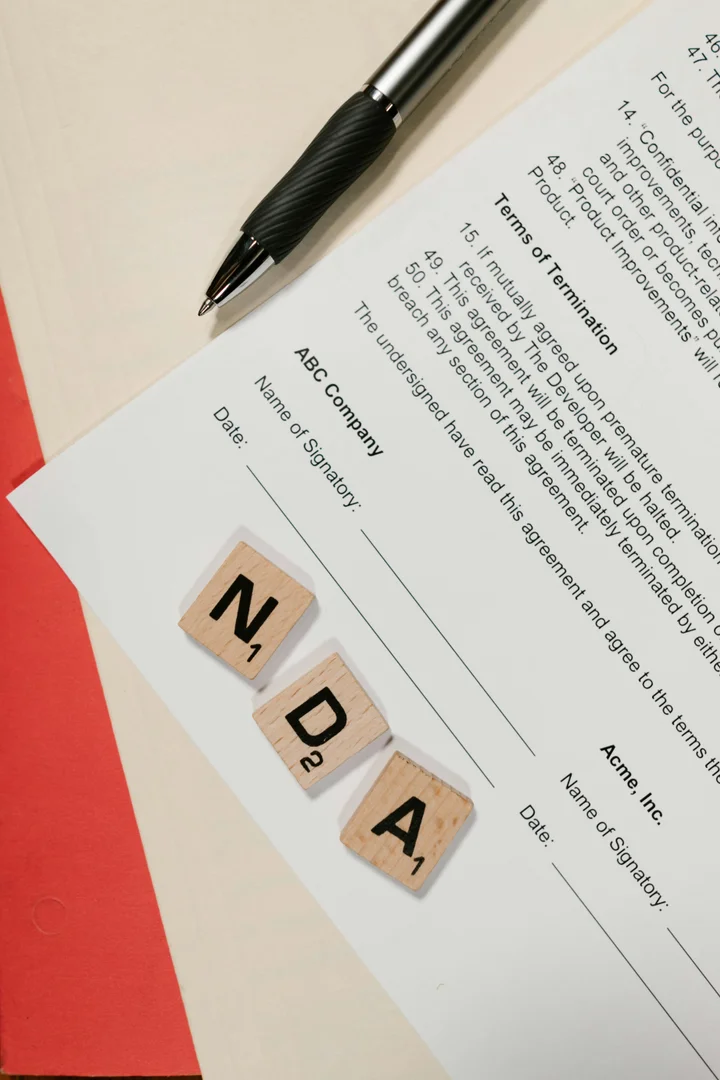
A neutral-form three-party mutual non-disclosure agreement: three parties intend to share confidential information with each other for business discussions, and each is bound to protect the others' information. Governed by the law of England & Wales.
How to use this template - Replace every
[SQUARE-BRACKET]field before use. - Use this mutual three-way form where all three parties will both disclose and receive confidential information (for example, a collaboration or joint pitch). - Have a solicitor review before use.
---
THIS MUTUAL CONFIDENTIALITY AGREEMENT is made on [DATE]
BETWEEN (1) [PARTY A NAME] of [ADDRESS]; (2) [PARTY B NAME] of [ADDRESS]; and (3) [PARTY C NAME] of [ADDRESS] (each a "Party" and together the "Parties"). In relation to any item of Confidential Information, the Party disclosing it is the "Discloser" and each other Party receiving it is a "Recipient".
Agreed terms
1. Purpose. The Parties wish to exchange information for the purpose of [DESCRIBE, e.g. exploring a three-way collaboration] (the "Purpose").
2. Confidential Information. "Confidential Information" means all non-public information disclosed by any Party (in any form) relating to its business, whether or not marked confidential.
3. Exclusions. Confidential Information does not include information that: (a) is or becomes public other than through breach; (b) a Recipient already lawfully held without obligation; (c) is lawfully received from a third party without obligation; or (d) is independently developed without use of the Confidential Information.
4. Mutual obligations. Each Party, as Recipient, will: (a) keep each other Party's Confidential Information secret; (b) use it only for the Purpose; (c) not disclose it except to its officers, employees or advisers who need to know it for the Purpose and are bound by equivalent obligations; and (d) protect it with at least reasonable care.
5. Permitted disclosure. A Recipient may disclose to the extent required by law, regulation or a court/regulator, giving the relevant Discloser prior notice where lawful.
6. No licence; return. No intellectual property or licence is granted. On request or on the end of discussions, each Recipient will return or destroy the relevant Confidential Information and copies (subject to legal retention requirements).
7. No obligation to proceed. Nothing obliges any Party to enter any further agreement.
8. Term. The obligations continue for [NUMBER] years from the date of disclosure / from the date of this Agreement.
9. Remedies. Each Party acknowledges that damages may not be an adequate remedy and that an affected Party may seek injunctive relief.
10. Governing law and jurisdiction. This Agreement is governed by the law of England and Wales, whose courts have exclusive jurisdiction.
Signatures
Signed for [PARTY A]: __________________ Date: [DATE] Signed for [PARTY B]: __________________ Date: [DATE] Signed for [PARTY C]: __________________ Date: [DATE]
--- This template is a starting point and not legal advice. Have a qualified solicitor review and adapt it before use. Governing law: England & Wales.