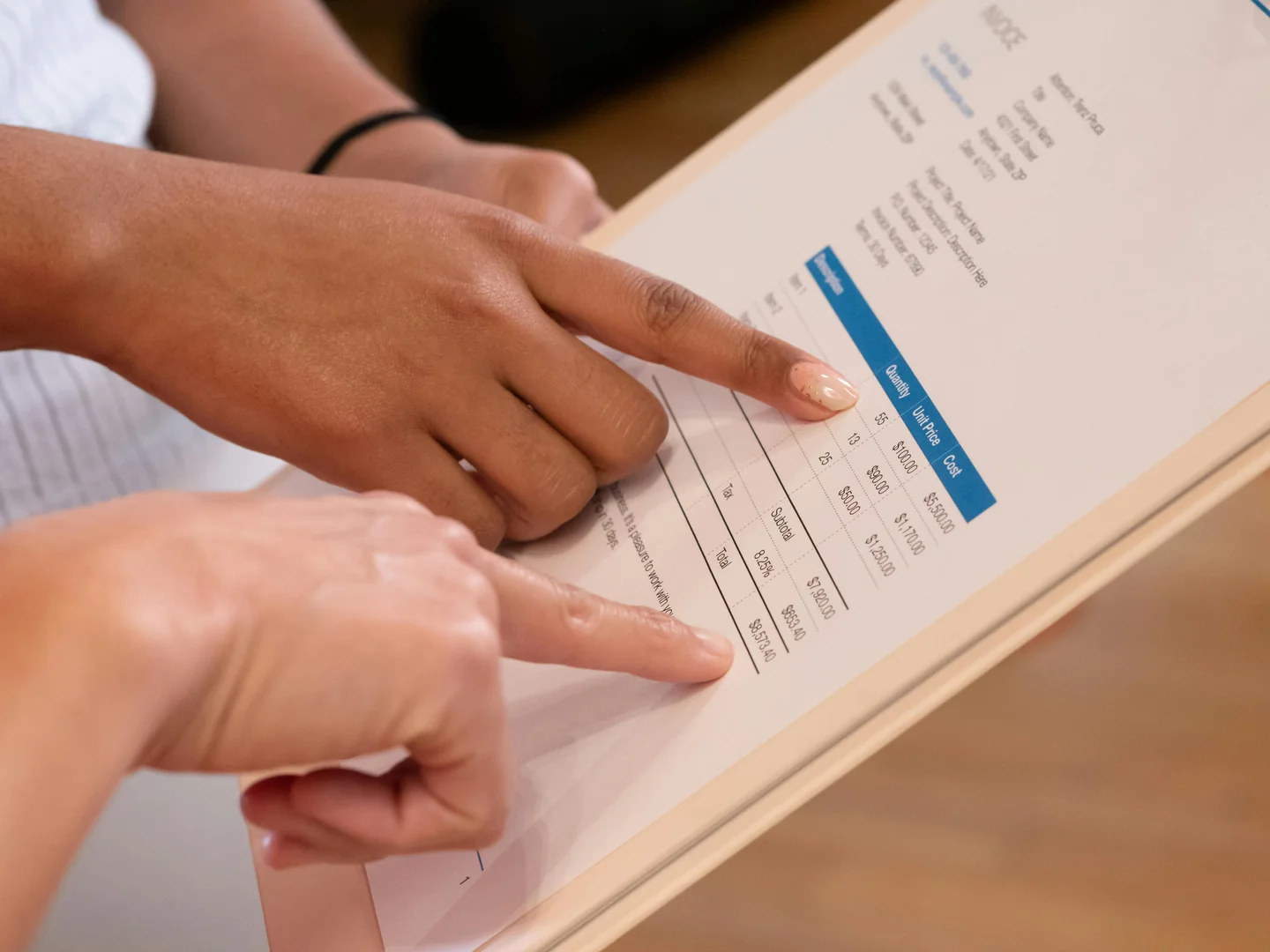
A template first, polite reminder letter for an overdue invoice for goods or services, framed on the assumption that payment may simply have been overlooked. Drafted for businesses in England & Wales.
How to use this template - Replace every
[SQUARE-BRACKET]field before use. - A first reminder should be courteous, most late payments are oversights, and you want to keep the relationship. Keep firmer language for later reminders. - For business-to-business debts, you have a statutory right to claim interest and fixed compensation for late payment under the Late Payment of Commercial Debts (Interest) Act 1998. It is normal to mention these rights gently in a first reminder rather than to enforce them immediately.
---
[YOUR COMPANY NAME] [ADDRESS]
[DATE]
[CUSTOMER NAME] [ADDRESS]
Dear [NAME],
Re: Overdue invoice [INVOICE NUMBER] dated [DATE], £[AMOUNT]
I hope you are well. Our records show that invoice [NUMBER], dated [DATE] for £[AMOUNT] in respect of [DESCRIBE GOODS/SERVICES], was due for payment on [DUE DATE] and remains outstanding.
We appreciate this may simply be an oversight. If payment has already been sent, please accept our thanks and ignore this letter. Otherwise, we would be grateful if you could arrange payment within [7] days.
Payment details:
- Account name: [NAME]
- Sort code: [ ] · Account number: [ ]
- Reference: [INVOICE NUMBER]
A copy of the invoice is enclosed for ease of reference. If there is any query about the invoice, or if you would like to discuss payment, please contact me on [PHONE / EMAIL] and we will be happy to help.
(For business customers: please note that, for overdue commercial invoices, we are entitled to claim statutory interest and compensation under the Late Payment of Commercial Debts (Interest) Act 1998. We would, of course, prefer to resolve this amicably.)
Thank you for your prompt attention.
Yours sincerely,
_________________________ [NAME], [TITLE] [YOUR COMPANY NAME]
Enc: Copy invoice [NUMBER]
--- This template is a starting point and not legal advice. For advice on recovering debts or enforcing statutory late-payment rights, consult a qualified solicitor. Governing law: England & Wales.