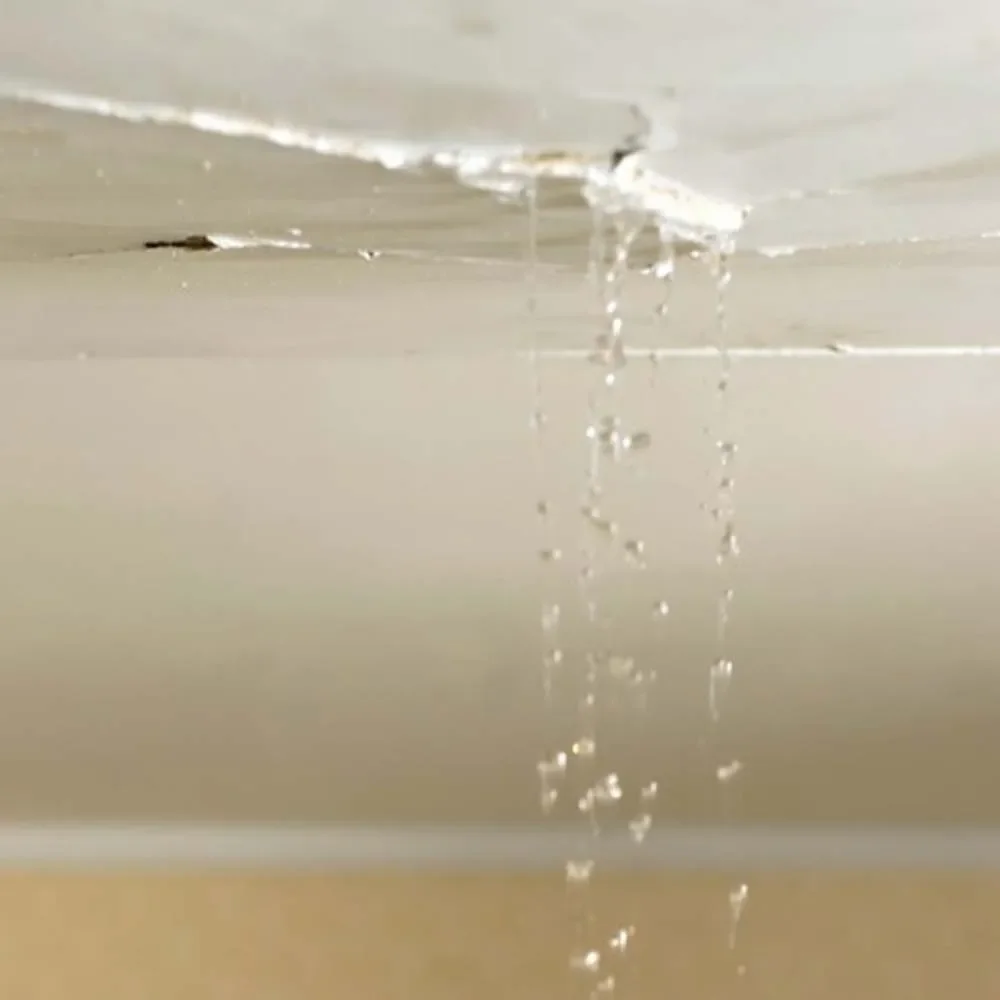
Water coming through your ceiling is one of the most common (and stressful) property problems in England and Wales. It can ruin decorations and possessions, cause damp and mould (a health risk), and trigger a dispute with the flat above, a neighbour, a landlord or a freeholder. Here is a clear guide to who is responsible and what to do.
First: stop the damage and gather evidence
Before worrying about blame:
- Make safe, if water is near light fittings or electrics, switch off the power at the affected circuit and avoid the area.
- Stop the source if you safely can (turn off the stopcock; ask the occupier above to do so).
- Document everything, photos and video of the leak and damage, dates and times, and a note of what was affected. This evidence is vital for any claim.
- Report it promptly to whoever is likely responsible (the flat above, your landlord, the managing agent/freeholder) in writing.
Who is responsible? It depends on the set-up
Where the leak comes from another flat (leasehold). Liability is not automatic. The occupier above is generally only liable if the leak was caused by their negligence (e.g. failing to fix a known dripping pipe or overflowing bath) or amounts to a nuisance. A purely accidental leak with no fault may not make them legally liable, which is why buildings insurance (usually arranged by the freeholder, with an excess) often handles the repair regardless of fault. Check the lease to see who must repair and insure the structure and pipes.
Where you rent (tenant). Your landlord is responsible for keeping the structure and exterior, and the installations for water and sanitation, in repair (Landlord and Tenant Act 1985, s 11), and the property must be fit for human habitation. Report disrepair in writing and give the landlord a reasonable chance to fix it; if they fail, you may have remedies (see below).
Where it's your own freehold home and a neighbour's property is involved. Liability again usually turns on negligence or nuisance.
Legal remedies if it is not put right
- Negligence / nuisance claim against the person at fault for the cost of repairs and damaged belongings.
- Disrepair claim against a landlord who fails to carry out repairs after notice, you may seek an order for repairs and compensation.
- Insurance claims, your contents insurance for your belongings; the building's insurance (often the freeholder's) for structural damage. Insurers may later pursue the party at fault.
- Buildings/leasehold service charge, for flats, repair of common parts and the structure is often dealt with through the freeholder and service charge.
Practical steps to resolve it
- Report in writing and keep copies of all communications.
- Get quotes for repairs and keep receipts for any urgent works and damaged items.
- Notify the relevant insurer early.
- Escalate sensibly, to the managing agent/freeholder for flats, or via your landlord's complaints process for rentals.
- If unresolved, consider mediation, a letter before action, and finally a court claim (small claims track for lower-value damage).
- Mould and health, if damp/mould is making the home unfit, this strengthens a disrepair/fitness claim against a landlord.
Key takeaways
- Act fast: make safe, stop the source, and document the damage, evidence is everything.
- A leak from a neighbouring flat usually creates liability only where there is negligence or nuisance; buildings insurance often covers the repair regardless of fault.
- If you rent, your landlord must keep the structure and water installations in repair (LTA 1985, s 11) and the home fit to live in.
- Remedies include negligence/nuisance claims, disrepair claims, and insurance, try to resolve it in writing first, then escalate.
Sources
- Landlord and Tenant Act 1985, s 11 (landlord's repairing obligations); Homes (Fitness for Human Habitation) Act 2018
- The law of negligence and private nuisance (liability for water escaping onto neighbouring property)
- Lease terms on repair and insurance; buildings and contents insurance practice
--- This article is general information about the law of England & Wales as at 2026, not legal advice. For advice on your circumstances, consult a qualified solicitor.