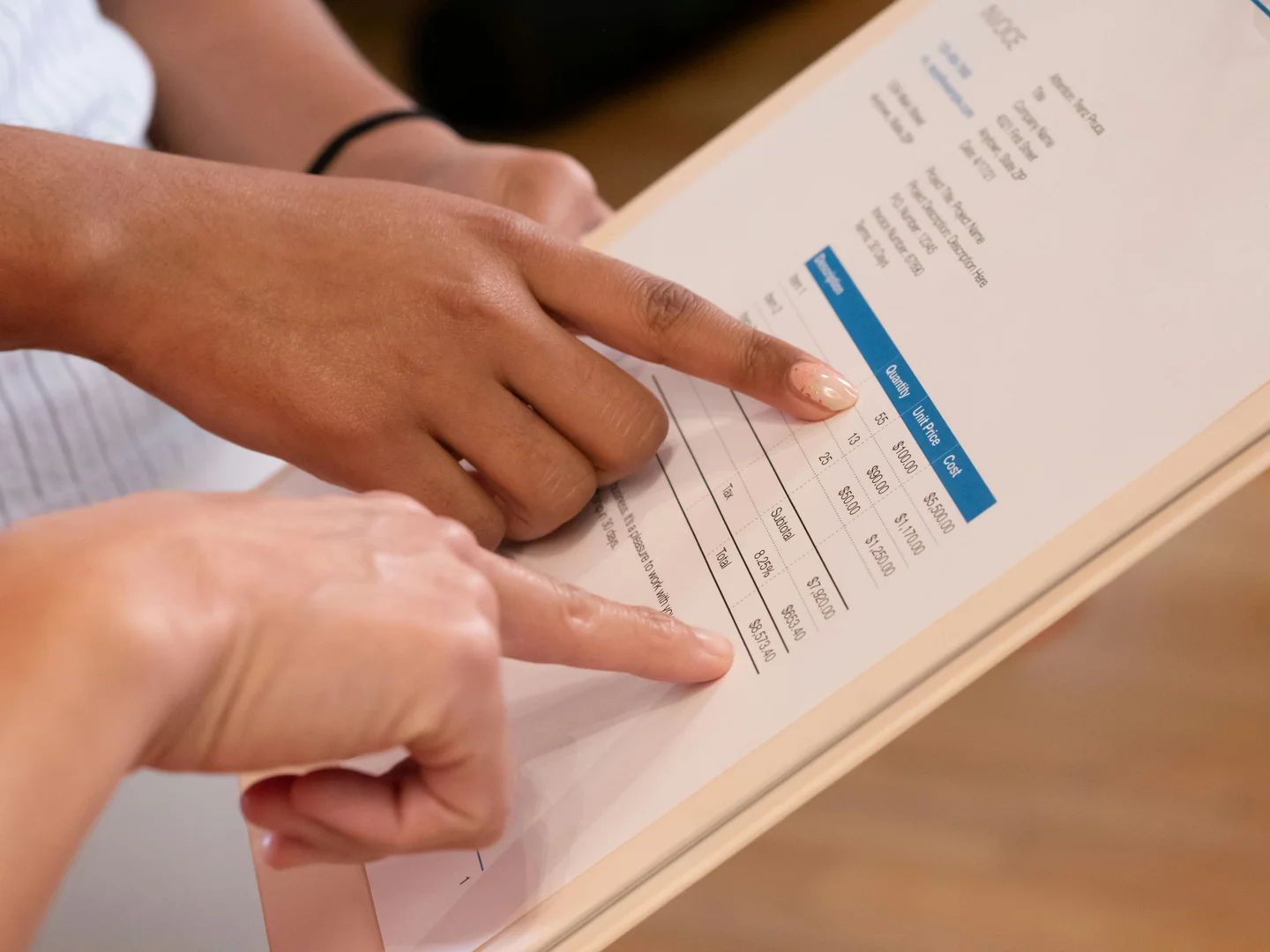
Unpaid invoices are one of the biggest threats to a small business's cash flow. The good news is that England and Wales has a clear, structured process for chasing payment, and you have statutory rights that strengthen your hand. Here is a plain-English, step-by-step guide.
Step 1: Check and chase informally first
- Check your paperwork, is the invoice correct, sent to the right person, and genuinely overdue?
- Send a polite reminder, then a firmer reminder. Many late payments are oversights.
- Talk to the customer, a payment plan may be better than a fight.
Step 2: Claim your statutory late-payment rights (B2B)
For business-to-business debts, the Late Payment of Commercial Debts (Interest) Act 1998 lets you claim, on top of the debt:
- interest at 8% above the Bank of England base rate;
- fixed compensation per invoice (£40 / £70 / £100 depending on the size of the debt); and
- reasonable debt-recovery costs above the fixed sum.
Mentioning these entitlements often prompts payment.
Step 3: Send a formal "letter before claim"
If informal chasing fails, send a letter before claim (also called a letter before action). This is a formal demand setting out the debt, interest and a deadline to pay, and warning that you will start court proceedings if it is not paid.
Important: where you are claiming against an individual or sole trader, you must follow the Pre-Action Protocol for Debt Claims, which requires a detailed letter (with an information sheet, reply form and statement of account) and gives the debtor a reasonable time (usually 30 days) to respond before you issue proceedings. Following the protocol matters, courts can penalise you on costs if you don't.
Step 4: Use the court (a "money claim")
If still unpaid, you can issue a county court claim:
- Money Claim Online (MCOL) is a convenient way to start a straightforward money claim.
- Lower-value claims are dealt with on the small claims track, designed to be used without a solicitor.
- If the debtor does not respond, you may obtain judgment in default.
Step 5: Enforce the judgment
Winning is not the end, you may need to enforce a county court judgment (CCJ) if the debtor still does not pay, using options such as:
- warrant/writ of control (bailiffs/enforcement agents seize goods);
- attachment of earnings (deductions from wages);
- a third-party debt order (freezing money in their bank account); or
- a charging order over property.
Alternative: pressure on a company that can pay but won't
Where the debtor is a solvent company that simply won't pay an undisputed debt, a statutory demand followed by a winding-up petition can be powerful, but it is a serious step, must not be used for genuinely disputed debts, and warrants legal advice first.
Practical tips to avoid the problem
- Agree clear payment terms and credit-check new customers.
- Invoice promptly and accurately, and chase early.
- Consider retention of title clauses for goods and deposits/staged payments for services.
Key takeaways
- Start with reminders, then assert your statutory interest and compensation (Late Payment Act) for B2B debts.
- Send a letter before claim, and follow the Pre-Action Protocol for Debt Claims if the debtor is an individual/sole trader.
- Use Money Claim Online / the small claims track to get a judgment, then enforce it (bailiffs, attachment of earnings, charging order, third-party debt order).
- For an undisputed debt owed by a solvent company, a statutory demand/winding-up route exists, but take advice and never use it for disputed debts.
Sources
- Late Payment of Commercial Debts (Interest) Act 1998 (interest and compensation on commercial debts)
- Pre-Action Protocol for Debt Claims; Civil Procedure Rules (Money Claim Online; small claims track; enforcement)
- Insolvency Act 1986 (statutory demands and winding-up petitions for undisputed debts)
--- This article is general information about the law of England & Wales as at 2026, not legal advice. For advice on your circumstances, consult a qualified solicitor.