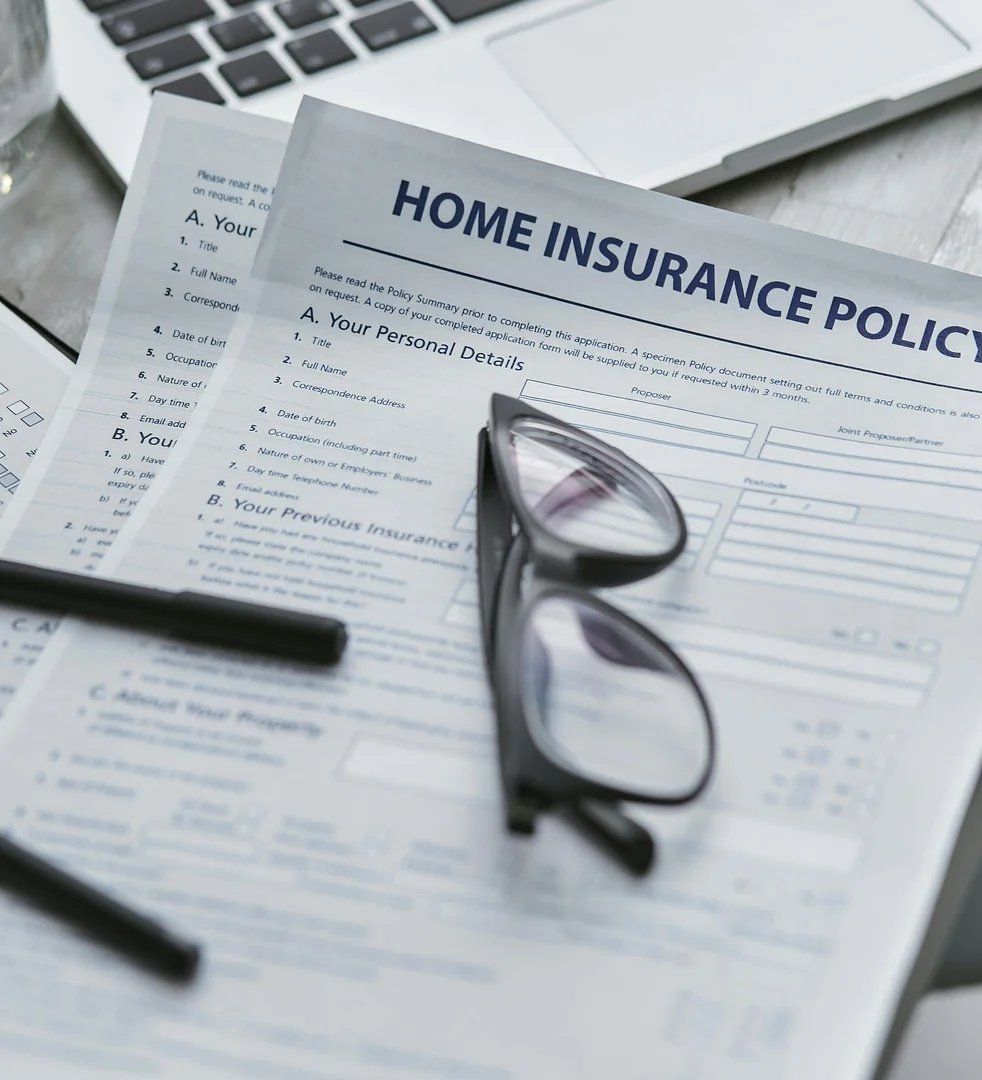
Public liability insurance (also called third-party liability cover) protects a property owner or occupier against claims by members of the public (or other third parties) who are injured, or whose property is damaged, because of the state of the property or something done on it. For blocks of flats and commercial buildings, knowing who should arrange it avoids dangerous gaps. Here is a plain-English guide for England and Wales.
What public liability insurance covers
It typically covers your legal liability to third parties for:
- personal injury (e.g. a visitor slips on a poorly maintained communal stairway); or
- damage to their property,
arising from the ownership, occupation or use of the building, together with the legal costs of defending claims. This links directly to occupiers' liability (the duty to keep visitors reasonably safe under the Occupiers' Liability Acts 1957 and 1984).
Is it legally required?
Unlike employers' liability insurance (which is compulsory by law for employers), public liability insurance is generally not a statutory requirement. However, it is usually required as a practical matter:
- leases often oblige the freeholder/landlord to insure the building and its public liability risks;
- mortgage lenders may require it; and
- it is simply prudent, claims for serious injury can be very large.
Who should buy it, flats and commercial buildings
Blocks of flats (leasehold):
- The freeholder, landlord or the management company / RMC (or a right-to-manage company) usually arranges insurance for the building and the common parts, including public liability for those communal areas. The cost is recovered from leaseholders through the service charge.
- Individual leaseholders should insure their own contents and their own liability within their flat (their lease may require it). They benefit from the building's public liability cover for the common parts.
Commercial buildings:
- The landlord/owner typically insures the building and public liability for the structure and common parts (recovering the premium from tenants).
- Tenants/occupiers usually take their own public liability cover for their business activities and the parts they occupy.
So responsibility is often split, check the lease to see who must insure what.
Leaseholders' rights
Leaseholders paying for insurance through the service charge have rights to information about the policy (and to challenge unreasonable insurance costs). They can ask for a summary of cover and details of the insurer.
Practical tips
- Check the lease to see who is responsible for buildings and public liability cover, and who pays.
- Ensure cover is adequate (a sufficient indemnity limit, often several million pounds) and that common parts are properly covered.
- Avoid gaps, make sure communal areas and shared risks are not left uninsured between landlord and tenants.
- Keep premises safe and maintained, insurance does not remove the duty of care; it backs it up.
Key takeaways
- Public liability (third-party) insurance covers your liability to others for injury or property damage connected with the property, plus legal costs.
- It is not legally compulsory (unlike employers' liability), but is usually required by leases/lenders and is prudent.
- For flats, the freeholder/management company typically insures the building and common parts (recovered via service charge); leaseholders insure contents and their own flat. For commercial buildings, the landlord insures the building, tenants insure their own activities.
- Check the lease for who insures what, ensure adequate cover and no gaps, and remember leaseholders can challenge unreasonable insurance costs.
Sources
- Occupiers' Liability Acts 1957 and 1984 (the underlying duty of care to visitors and others)
- General insurance principles in England & Wales (public/third-party liability cover; insurable interest)
- Landlord and Tenant Act 1985 (service charges; leaseholders' rights to information and to challenge unreasonable costs)
--- This article is general information about the law of England & Wales as at 2026, not legal or financial advice. For advice on your circumstances, consult a qualified solicitor or insurance professional.