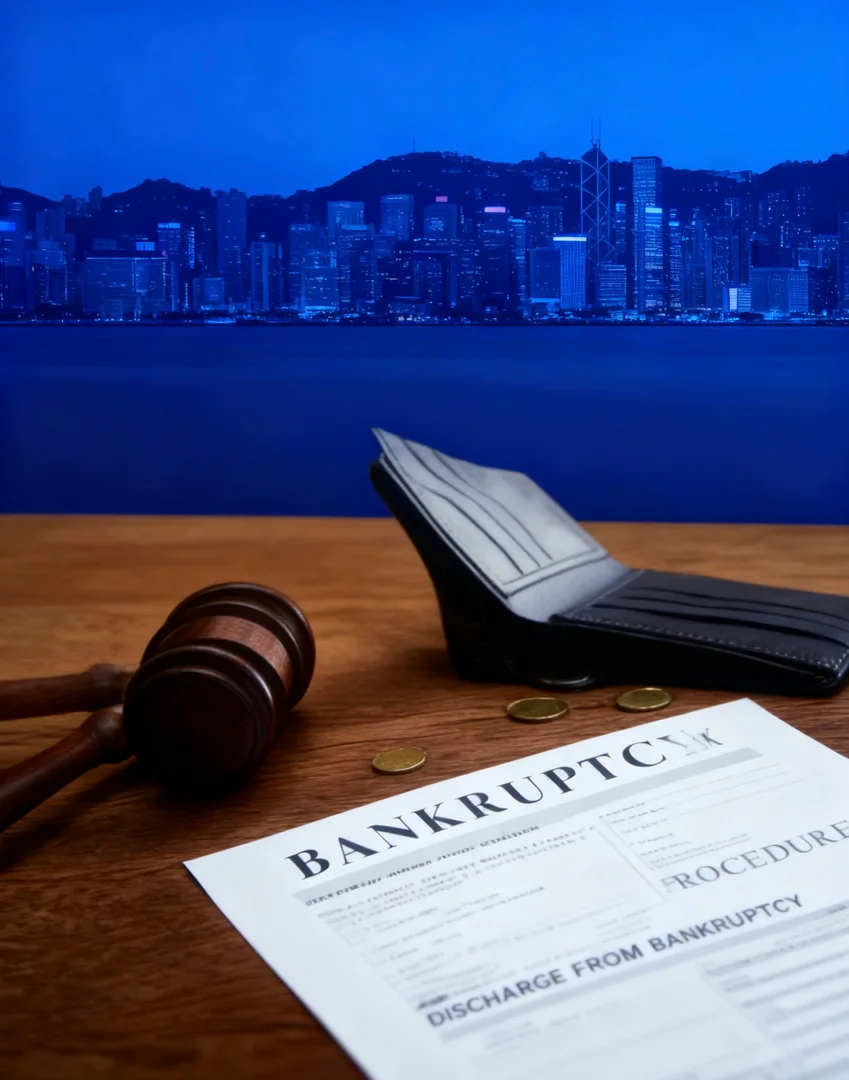
What Is Bankruptcy in Hong Kong?
Bankruptcy is a legal process under the Bankruptcy Ordinance (Cap. 6) that applies to individuals who cannot repay their debts. After the Court makes a bankruptcy order, a trustee (the Official Receiver or a private trustee) takes control of the bankrupt’s assets, investigates their finances, and distributes the assets to creditors.
How Does Bankruptcy Start?
Bankruptcy usually begins in one of two ways:
Method: Creditor’s Petition & Debtor’s Petition
Who Starts It : A creditor owed at least HK$10,000 (unsecured debt) & The debtor themselves
Notes: Usually begins with a statutory demand & No minimum debt requirement
Creditor’s petition steps:
- Statutory demand → 21 days to pay.
- Petition → Creditor files a bankruptcy petition in Court.
- Bankruptcy Order → Court declares debtor bankrupt.
What Happens After a Bankruptcy Order Is Made?
Once a person is declared bankrupt:
- Their assets vest in the trustee, including their share in any jointly-owned property.
- Trustee may require surplus income contributions after deducting reasonable living expenses.
- The bankrupt must cooperate: disclose assets, provide documents, attend interviews.
- Restrictions apply: cannot obtain credit ≥HK$100 without disclosure, cannot act as a company director, etc.
Is Bankruptcy Automatically Over After 4 Years?
For first-time bankrupts, the law provides for automatic discharge after 4 years.
For repeat bankrupts, the period is 5 years.
BUT this is not guaranteed.
Under section 30A of the Bankruptcy Ordinance (Cap. 6):
The Court may suspend or extend the discharge period if the bankrupt:
- Fails to cooperate
- Hides assets or gives false information
- Leaves Hong Kong without reporting
- Causes delay in investigations
- Receives a non-commencement order (meaning the 4-year period hasn’t even started)
Suspensions can extend bankruptcy by years.
What Does “Discharge from Bankruptcy” Mean?
Discharge means:
- You are released from most pre-bankruptcy debts.
- Creditors cannot pursue you for those debts.
- Bankruptcy restrictions end.
But some debts cannot be discharged, including:
- Fraud-related debts
- Court fines and penalties
- Maintenance payments
- Personal injury compensation
Can You Be 100% Free After 4 Years?
Not automatically.
You are only truly discharged after 4 years if:
- You cooperated throughout
- You remained reachable in Hong Kong
- No trustee/creditor objection was filed
- No suspension orders were made
- Your relevant period actually commenced
Practical Tips for Anyone Facing Bankruptcy
- Be proactive — respond early to demands and notices.
- Cooperate with the trustee.
- Be honest and disclose all assets.
- Understand that 4 years is not guaranteed.
- Leaving Hong Kong without notice can delay discharge.
- Seek professional legal advice early.
Final Word
Bankruptcy is not a quick escape from debt. While the law allows discharge after 4 years, this relies heavily on cooperation and proper conduct. Understanding your responsibilities — and avoiding the pitfalls that delay discharge — is essential for a genuine fresh start.
Disclaimer: The above analysis is for reference only and does not constitute legal advice. If professional advice is needed, we can help match you with qualified Hong Kong lawyers based on your query. You can request a lawyer referral at https://ask.legal/contact-us