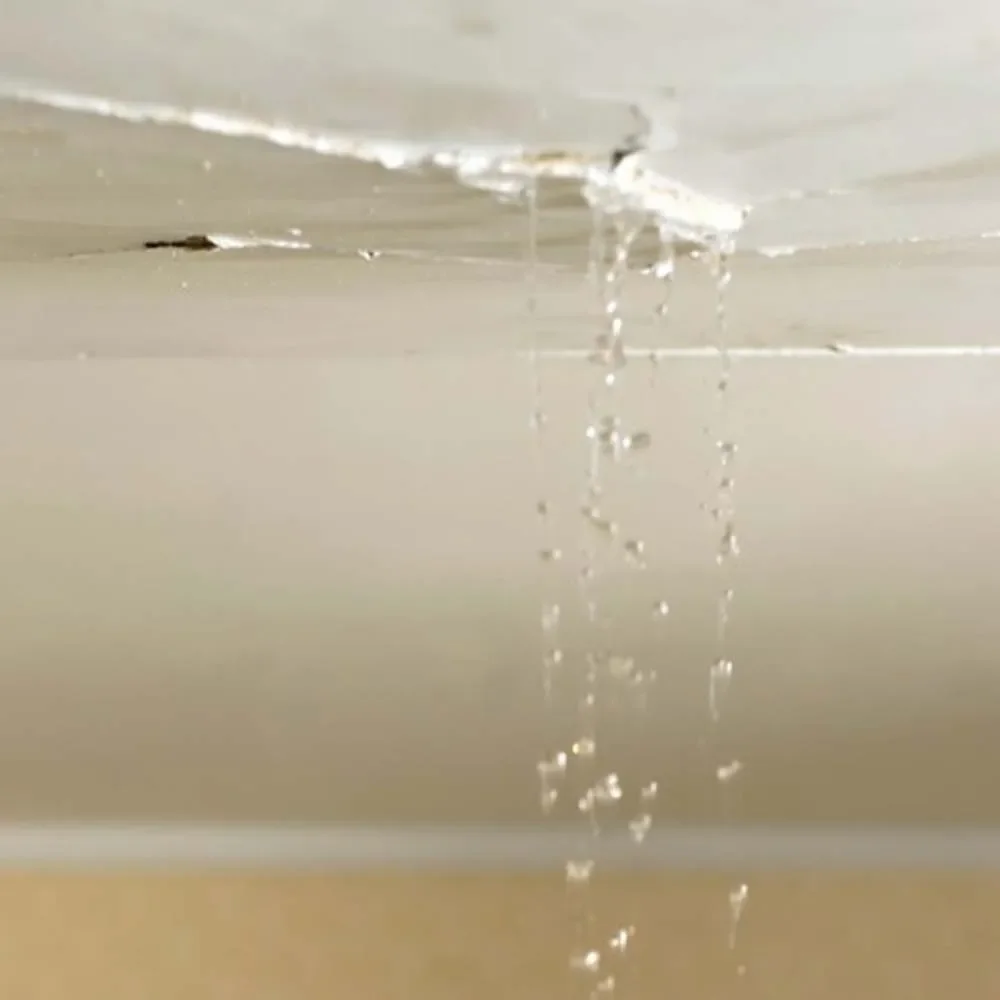
This guide explains who is responsible, what evidence you need, and what remedies are available under Hong Kong law, with references to recent court cases and government guidelines.
Who Is Legally Responsible for Water Seepage?
Under Hong Kong law, liability generally falls on the owner or occupier of the flat where the seepage originates, if you can prove the source.
Key legal principles from Hong Kong courts include:
🔹 Burden of Proof (You Must Prove the Source)
Courts consistently hold that the affected owner must prove, on a balance of probabilities, that the seepage comes from the upstairs unit.
- Lau May Ming Mamie v Zhao Wei [2022] HKCFI 322
- Chau Wai Hung v Lam Tak Chuen & Anor(HCA 1740/2023)
🔹 No Automatic Liability
A ceiling leak does not automatically make the upstairs owner responsible. Clear evidence is required.
🔹 Types of Legal Liability
Once the source is proven, the upstairs owner may be liable under:
- Nuisance (causing unreasonable interference with your property)
- Negligence (failing to maintain pipes or waterproofing)
- Breach of Deed of Mutual Covenant (DMC) (failure to maintain areas they must maintain)
🔹 Damages and Court Orders
Courts can award:
- Cost of repairs
- Investigation and expert fees
- General damages for inconvenience and loss of enjoyment
- Mandatory injunctions requiring the neighbour to fix the issue
In Fong Yuen Tung Nicole v Pong Yuen Kong [2024] HKCFI 1061, the plaintiff successfully recovered repair costs and inconvenience damages based on expert evidence.
Common Causes of Water Seepage in Hong Kong Flats
Drawing from the Food and Environmental Hygiene Department (FEHD) and Buildings Department publications, the four most common causes of ceiling leaks are:
1. Defective or Leaking Drainage Pipes
- Cracked pipes or poor joints
- Common in kitchens, toilets, bathrooms
- May have foul smell
2. Leaking Fresh Water / Salt Water Pipes
- Broken pipes or worn connections
- Persistent dripping
- Salt water pipe leaks often leave crystalline deposits
3. Damaged Waterproofing / Bathroom Seals
- Deteriorated waterproof membrane
- Loose bathtub edges
- Large, uniform areas of dampness
4. Rainwater Ingress
- Window frame sealant aged
- Cracks in external walls
- Damaged rooftop waterproofing
- Illegal rooftop structures
Understanding the cause is essential because liability depends on where the defect originates.
What Evidence Do You Need to Win a Water Seepage Claim?
Courts give substantial weight to expert evidence, not lay observations. You should collect:
- Surveyor / building inspector reports
- Moisture meter readings
- Tracing tests (e.g., colour water tests)
- Photo and video logs of the seepage
- Records of communication with the upstairs neighbour and management office
In Lau May Ming Mamie, damages of HK$194,334 were awarded after expert evidence established the source.
Step-by-Step Guide If Your Ceiling Is Leaking
Step 1 – Document Everything
Record:
- Photos and videos
- Time and frequency of seepage
- Any visible damage (peeling paint, mould, concrete spalling)
Step 2 – Notify Building Management
The management office should:
- Conduct an initial inspection
- Help coordinate access with neighbours
- Assist in hiring professionals if needed
(Management companies are encouraged to assist under FEHD’s “Property Management Company Water Seepage Assistance Scheme”.)
Step 3 – Hire a Professional Surveyor
Essential for:
- Proving the source
- Supporting any legal claim
- Avoiding disputes about cause
You may hire:
- Registered building surveyors
- Government-listed consultants
- Licensed plumbers (for water supply pipe issues)
Step 4 – Approach the Upstairs Neighbour
A polite discussion may resolve the matter more quickly and cheaply than litigation.
Step 5 – Seek Assistance from the Joint Office (FEHD x BD)
The Joint Office for Investigation of Water Seepage Complaints can:
- Conduct moisture tests
- Perform colour water tests
- Identify the seepage source
- Issue statutory notices under the Public Health and Municipal Services Ordinance (Cap. 132)
However:
- Joint Office involvement is slower
- They may only act if humidity > 35% and if the leak causes a health nuisance
- Rainwater ingress and normal wear-and-tear pipe leaks often fall outside their statutory scope
Step 6 – Consider Legal Action
If the neighbour refuses to cooperate:
- Claim damages in the District Court / High Court
- Apply for a mandatory injunction to compel repairs
- Recover repair costs + professional fees
Legal Remedies Available in Hong Kong
| Remedy | What It Does | Case Example |
|---|---|---|
| Damages | Compensation for repairs, expert fees, inconvenience | HK$194,334 awarded in Lau May Ming Mamie |
| Mandatory Injunction | Court order requiring neighbour to fix the defect | Granted in Chau Wai Hung v Lam Tak |
| Prohibitory Injunction | Prevents further seepage or future negligence | Often paired with mandatory injunction |
| DMC Enforcement | Owners Corporation can force repairs for common areas | Based on building's DMC terms |
Alternative Dispute Resolution (ADR) Options
1. Hong Kong Institute of Surveyors – Building Affairs Expert Determination Centre
A pilot scheme allowing parties to appoint a joint expert to determine responsibility without going to court.
Benefits:
- Faster
- Cheaper
- Reduces disputes over “duelling experts”
2. Mediation
Many DMCs encourage mediation before litigation.
Key Takeaways for Hong Kong Residents
- You must prove the source of the leak through expert evidence.
- Upstairs owners can be liable for nuisance, negligence, and breach of DMC.
- Court remedies include damages and injunctions.
- Act early, before the damage worsens.
- Use Joint Office or professional surveyors to strengthen your claim.
Conclusion
Ceiling water seepage in Hong Kong is frustrating, but the law gives clear remedies. With proper documentation, professional inspection, and—where necessary—legal action, you can recover your losses and compel the upstairs neighbour to make repairs.
If you need help identifying your legal options, Ask.Legal provides Hong Kong-specialised legal analysis and can connect you with qualified lawyers on request.
References
- Lau May Ming Mamie v Zhao Wei [2022] HKCFI 322
- Chau Wai Hung v Lam Tak Chuen & Anor(HCA 1740/2023)
- Fong Yuen Tung Nicole v Pong Yuen Kong [2024] HKCFI 1061
- FEHD & BD: Water Seepage Investigation Guidelines
- Hong Kong Institute of Surveyors – Building Affairs Expert Determination Centre
Disclaimer: The above analysis is for reference only and does not constitute legal advice. If professional advice is needed, we can help match you with qualified Hong Kong lawyers based on your query. You can request a lawyer referral at https://ask.legal/contact-us